HomeAsset
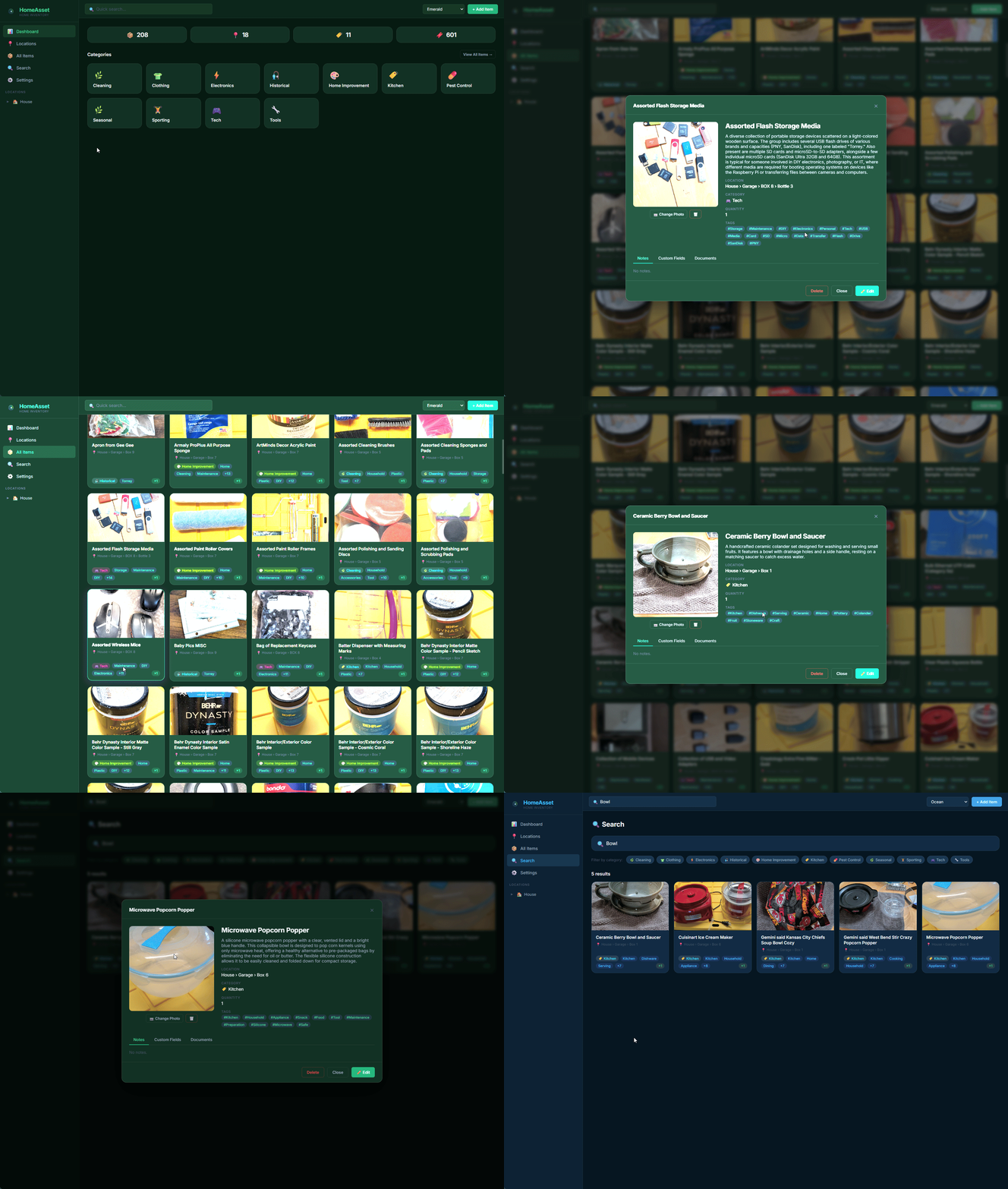
HomeAsset is a comprehensive inventory management and asset tracking system specifically designed for home organization. Built with Python and Flask on the backend, and utilizing a responsive JavaScript/CSS frontend backed by SQLite, it provides a seamless way to catalog valuables, electronics, and household items.
The application solves the problem of decentralized home inventory by offering an intuitive interface to log items, track their locations, and manage details such as purchase dates, warranty periods, and estimated values. This ensures you always have a secure, digital record of your home assets for insurance and organizational purposes.
View Repository on GitHub
JobBoard
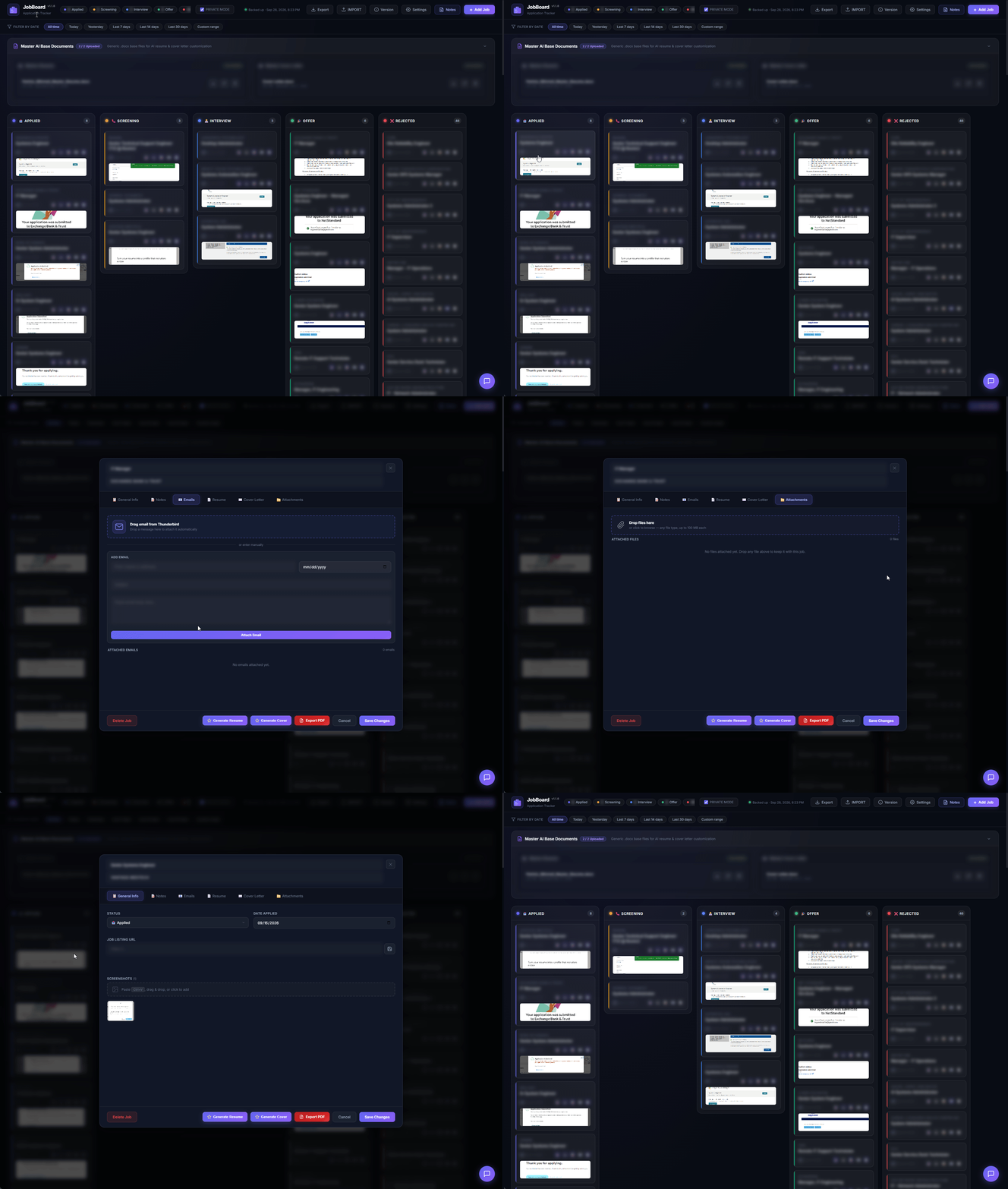
JobBoard is an advanced, AI-assisted Kanban board tailored specifically for tracking job applications, interviews, and offers throughout the recruitment lifecycle.
Beyond traditional drag-and-drop tracking, JobBoard leverages generative AI integration to automatically tailor cover letters and resume bullet points based on the specific job description you are applying for. The system maintains master documents and intelligently generates customized materials to dramatically accelerate the application process while ensuring high-quality, targeted submissions.
View Repository on GitHub
Terminal Buddy
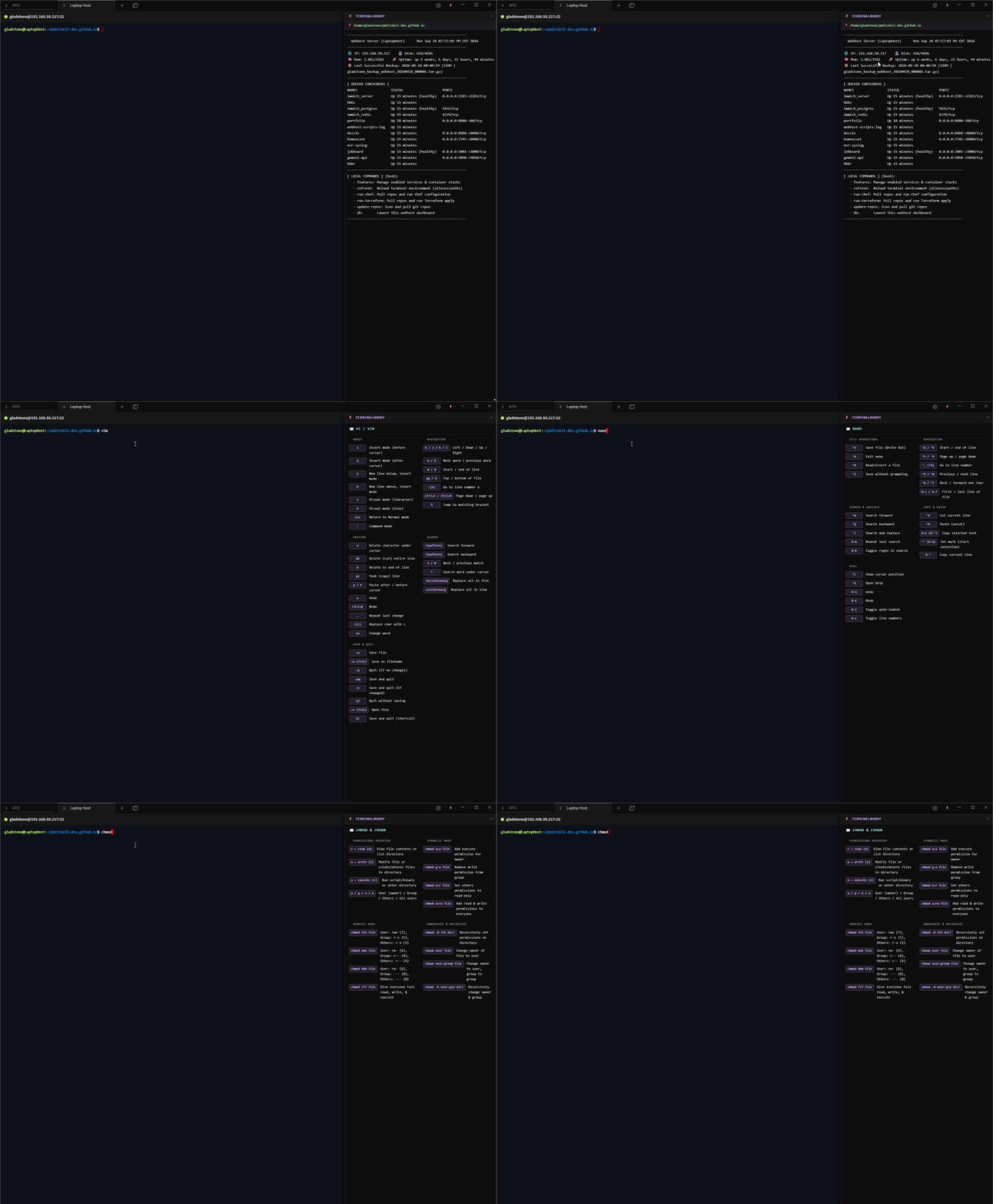
Terminal Buddy is a powerful, context-aware extension built for the Tabby terminal. It intelligently adds a dynamic companion panel to both local sessions (PowerShell/CMD) and remote SSH sessions (Linux).
The plugin tracks what you're doing in real-time through deep shell integration. When you run common commands (like vi, tar, or grep), it instantly pulls up relevant cheat sheets. When idling at the shell prompt, it displays your custom server dashboard. You can even create and edit your own custom cheat sheets directly through the built-in UI!
View Repository on GitHub
Gladstone Automation
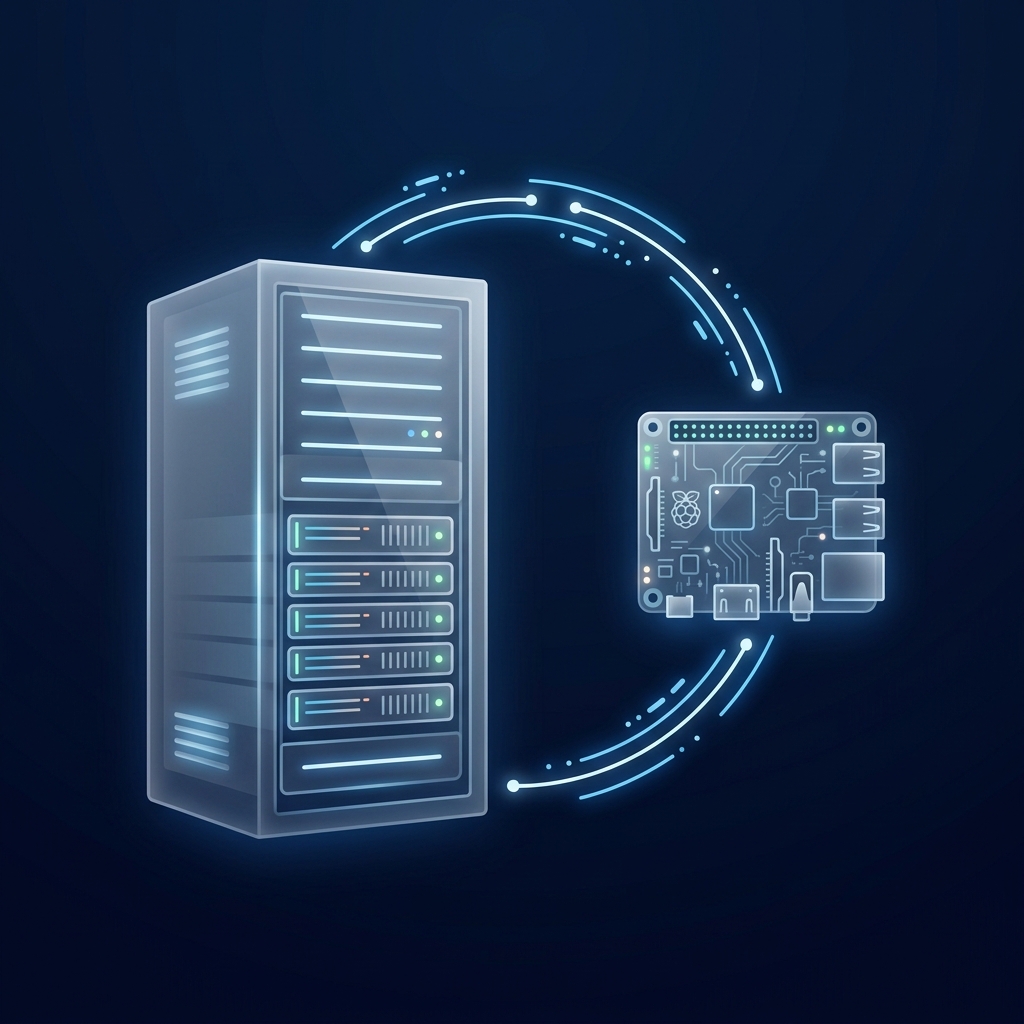
Gladstone Automation is a robust Infrastructure-as-Code (IaC) home lab deployment built around a highly resilient Hub-and-Spoke architecture.
It utilizes a central Raspberry Pi 5 acting as the Hub, orchestrated via raw Bash scripting, which controls and monitors distributed 'Spoke' nodes (repurposed laptops running Debian). The entire spoke infrastructure is strictly managed using Terraform and Chef to guarantee reproducible, automated deployments of Docker containers, secure networking tunnels, and system configurations with zero manual intervention required.
Active Local Services
- Cloudflared (Zero Trust): Secure tunnel exposing specific services without opening ports.
- Immich Stack (Server, Postgres, Redis): Self-hosted photo and video backup solution (backed by Local LLM processing).
- JobBoard: AI-assisted recruitment tracking Kanban board.
- HomeAsset: Household inventory and asset tracking database.
- Showcase Portfolio: This central portfolio routing interface.
- RustDesk (hbbs/hbbr): Self-hosted remote desktop control and relay servers.
- Gemini API: Local AI inference endpoint and integration gateway.
- Dozzle: Real-time web-based log viewer for Docker container monitoring.
- NVR Syslog & Webhost Scripts: Centralized logging and automation cron monitoring.
View Repository on GitHub
Immich Machine Learning GPU Cluster
Distributed Local LLM processing across a secure local network to supercharge the intelligence of a self-hosted Immich photo server.
Instead of relying on cloud services for AI features, this project bridges a dedicated, energy-efficient Linux server (running Immich) with a high-performance personal Windows desktop machine via the local network. By offloading the extremely heavy Machine Learning computations (facial recognition algorithms, CLIP model smart-search indexing, and object auto-tagging) to the personal desktop's discrete GPU (Nvidia CUDA), the system achieves near-instantaneous AI processing speeds without causing thermal throttling or latency on the main webhost.
Audio Context Extraction & Archival Metadata
The Pipeline: Running local transcription engines (like local Whisper variants) inside WSL to process oral history recordings, family audio tapes, and commentary tracks.
The LLM Role: Once raw transcripts are generated, the text is passed through a local LLM to:
- Extract contextual clues (names, dates, locations, event mentions).
- Generate structured metadata tags, scene summaries, and chronological milestones.
- Correlate spoken memories directly with digitized assets, turning unstructured spoken audio into searchable, indexed catalog entries for self-hosted archives.
8mm Film Restoration & Enhancement Pipeline
The Stack: WSL-based bash automation driving FFmpeg, hardware-accelerated filters, and local AI enhancement workflows.
Video Restoration Tuning: Automated multi-pass video cleanup scripts inside WSL handling film gate stabilization, temporal denoising, and color-cast correction on raw digitized reels from scanner transfers.
AI Upscaling vs. Film Grain Fidelity: Leveraged local models to test super-resolution and enhancement against native-resolution filtering—intentionally dialing in parameters to avoid the plastic "waxy" over-smoothing common with aggressive AI upscalers, preserving authentic 8mm organic grain and edge detail.
Batch Merging & Conversion: Scripted headless batch jobs to losslessly stitch raw segments, correct frame-rate mismatches (e.g., standard 16/18 fps capture to modern presentation cadences), and output clean, optimized archival masters completely offline.